Top Cybersecurity Threats & Prevention
As we close out 2025 and begin 2026, it’s always a good idea to continue following cybersecurity trends to meet your individual and business needs. Here at Spectra Networks, we pride ourselves on keeping our finger on the pulse of cybersecurity throughout the year and looking ahead.
Let’s recap some of the top cybersecurity threats this year, such as AI-centered threats, ransomware, phishing and social engineering, malware, DDoS Attacks and Supply Chain Attacks. We will also examine some of the prevention techniques that have helped deter these often catastrophic cyber events.

Artificial Intelligence
According to more than 40,000 cybersecurity and technology professionals who attended the 2025 RSAC Conference in San Francisco, “Artificial intelligence is not just changing cybersecurity, it’s redefining it. AI is rapidly reshaping the cybersecurity landscape, bringing both unprecedented opportunities and significant challenges for both leaders and organizations.”
AI poses a significant cybersecurity risk by increasing the speed, scale, and complexity of cyberattacks, while simultaneously reducing the expertise needed for malicious actors to carry them out. Attackers leverage AI to automate critical phases of cyberattacks and create highly deceptive fraudulent content that circumvents conventional security measures. In short, they are using AI tools to up their game and make it easier to create convincing phishing emails, fake websites, and even deepfake videos that inject malicious prompts or code, allowing cybercriminals to craft personalized, realistic messages and methods that bypass traditional detection mechanisms.
In terms of prevention, cybersecurity professionals use AI to analyze vast amounts of data, detect anomalies, and automate responses, but the rapid, adaptive nature of AI-driven threats often outpaces traditional, static defense mechanisms.
Malware
Malware, short for malicious software, comes in all shapes and sizes, from harmless and annoying to dangerous and sophisticated programs that can render an entire computer system unusable.
Some of the most common forms of malware that businesses face include: Rootkits, Trojans, Worms, Bots/botnets, Fileless malware, Spyware and Adware. Effective ways to prevent malware include using up-to-date antivirus and anti-malware software and installing firewalls to restrict access to sensitive systems and data, forming a layer of protection against malware. Users should also be cautious when clicking on links in emails and downloading email attachments.
Phishing Scams
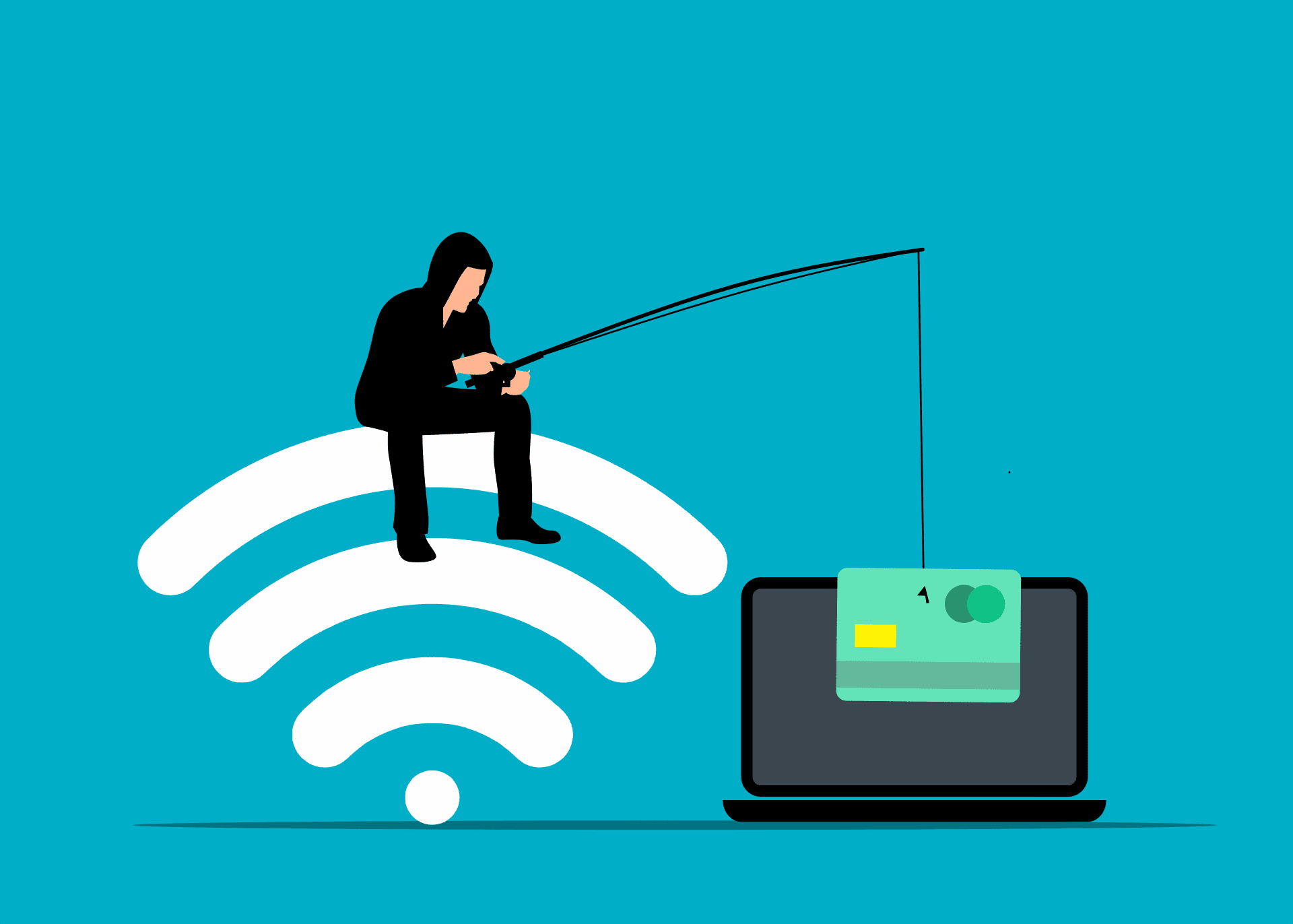
Phishing has long been a top cybersecurity threat. In these attacks, criminals pose as legitimate entities to exploit users’ trust, curiosity, greed, or kindness. They send fake emails to entice their targets into providing information such as passwords, Social Security numbers, or personal bank account details. Some of the most common phishing and social engineering attacks include spear phishing, mortgage scams, whaling, and baiting.
In terms of preventing these threats, email filtering tools can be helpful, as well as ongoing and regular employee trainings that identify red flags on emails and attachments.
Ransomware
Ransomware, a form of malware, has become so prevalent that it deserves its own category.
Ransomware is unique in that it encrypts files on a computer and then demands payment to release them. This type of attack can be particularly damaging to businesses that rely on data and can not afford downtime. The FBI discourages organizations from paying ransom because there is no guarantee that criminals will release the files even after payment.
Need to know more about the cybersecurity threats on the horizon? Follow our monthly blogs or reach out to the Spectra Networks team with your questions, comments, or concerns. We are happy to assist in answering your questions.
©
2026 Copyright
Spectra Networks. Website designed and developed by Sperling Interactive.